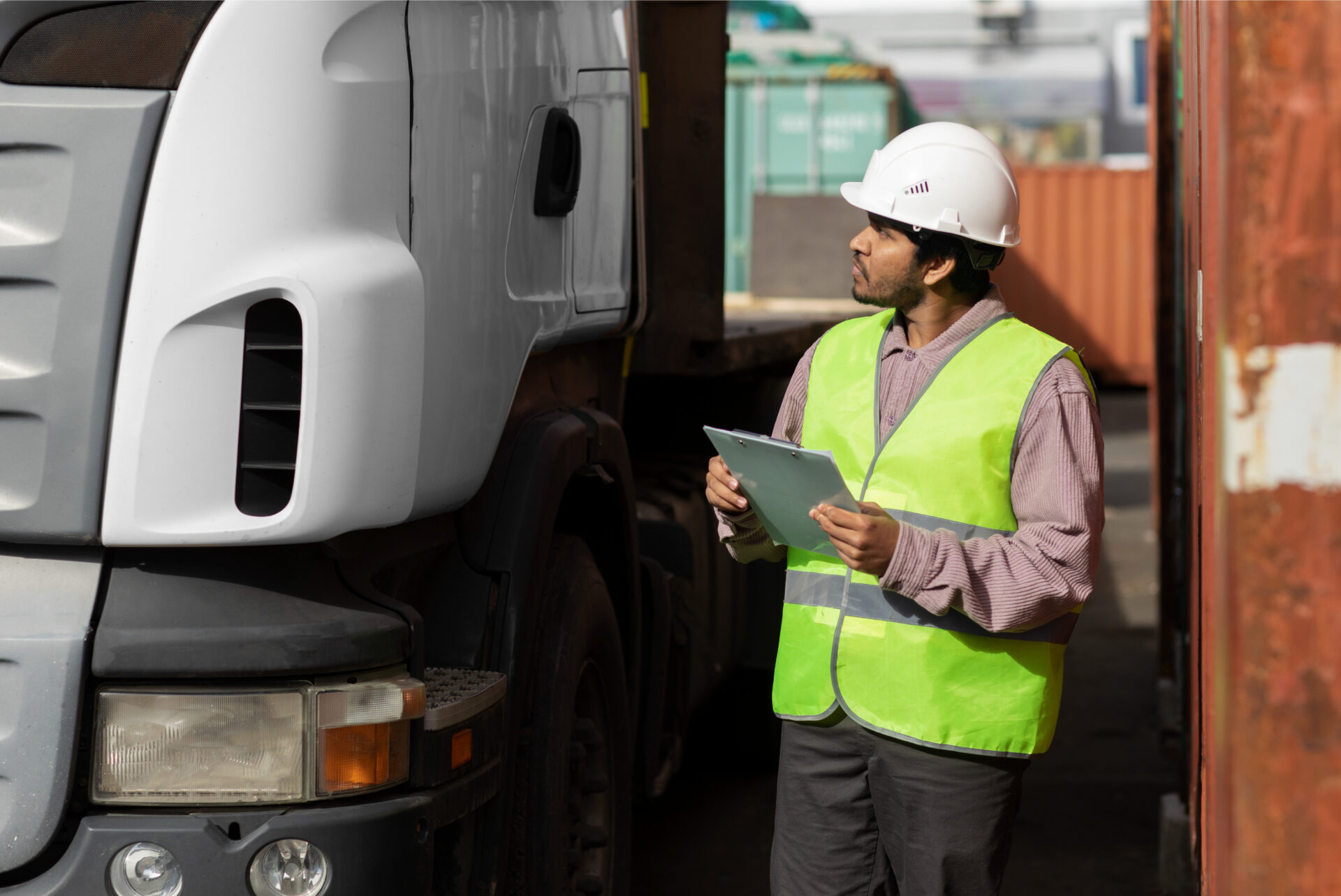
- Low-clearance accidents can result in severe equipment damage, cargo loss, traffic disruptions, injuries, and costly violations.
- Prevention starts with route planning, driver awareness, GPS verification, proper training, and understanding vehicle height limitations.
- Carriers that combine technology, communication, and driver education can significantly reduce bridge strike risks.
Table of Contents
Commercial motor vehicles (CMVs) are big; and with sheer size comes its own set of unique challenges.
In particular, one of the gravest that CMV drivers continuously face is low-clearance accidents, particularly bridge strikes.
An alarming statistic from the National Highway Transportation Safety Administration (NHTSA) reveals that between 2014 and 2018, bridge strikes involving large trucks led to 13 fatalities.
Hence why, in light of these figures, it is imperative for CMV drivers to both be aware of the potential dangers that result from these accidents and, most importantly, equip themselves with the knowledge to prevent them.
Here are seven tips to help you accomplish just that:
1. Invest in a Commercial GPS
While many drivers might be tempted to use standard GPS units designed for cars, it’s crucial to invest in a GPS that is specifically configured for large commercial motor vehicles.
These specialized units consider both the size and the height of the vehicle and offer routes that can accommodate them, thereby minimizing the risks.
2. Plan Ahead
While technology does serve as a great assistant, it’s always most wise to be prepared.
Prior to starting your journey on the road, scout approved truck routes.
If uncertain about the road ahead, don’t hesitate to consult with your supervisor or fellow drivers who might have traversed the route before.
Their firsthand experience can provide invaluable guidance.
3. Identify the Danger Zones
Certain states are notorious for frequent low-clearance accidents.
New York, for instance, has a history of housing 100-year-old lower bridges.
Meanwhile, North Carolina is a commonly-known hotspot for these types of accidents.
Being aware of these states can help drivers be more cautious.
4. Be Aware of your Truck’s Dimensions
It might sound obvious, but ensuring that you’re aware of the height of your truck and the load that it’s carrying is crucial.
Conditions might change. Loads might be adjusted. Therefore, regular measurements before taking off can make a world of difference.
5. Stay Alert for Warning Signs
Highways and roads are often marked with signs indicating the height of upcoming overpasses.
However, these signs might not always be accurate for various reasons (e.g., wear and tear or changes in road elevation).
Hence, why you should always remain cautious and ensure that you have a margin of error.
6. Consider the Road Surface
It’s easy to forget that road conditions play a significant role in clearance levels.
For example, accumulated ice and snow can raise the road surface, reducing the clearance height of overpasses and, therefore, increasing the risk of an accident.
You see, it’s not just about knowing your truck’s height, but also about being aware of the changing environment around it.
7. Err on the Side of Caution
The old adage “Better safe than sorry” couldn’t be truer for CMV drivers.
If ever in doubt about whether your truck will clear an overpass, it’s always best to pull over safely and double-check.
Remember: A moment’s precaution can prevent a lifetime of regret!
FAQs
What is a low-clearance accident in trucking?
A low-clearance accident in trucking occurs when a commercial vehicle strikes a bridge, overpass, tunnel, structure, or obstacle that does not provide enough vertical clearance for the vehicle.
Why do low-clearance accidents happen?
Low-clearance accidents happen because of route planning errors, incorrect GPS routing, driver inattention, inaccurate vehicle height information, or failure to recognize warning signs.
How can drivers verify their vehicle height?
Drivers can verify their vehicle height by measuring the loaded vehicle, reviewing equipment specifications, and ensuring the correct height is displayed inside the cab.