- Texas-based carriers should first confirm that Texas is the correct IFTA base jurisdiction and that their vehicles and operation meet the applicable eligibility requirements.
- The Texas Comptroller identifies Form AP-178 as the IFTA license application, while Forms 56-101 and 56-102 relate to fuel-tax reporting; the application and quarterly return are different processes.
- Once operating, fleets need vehicle-level records supporting distance traveled by jurisdiction and qualifying fuel purchases, with discrepancies and missing documentation addressed during the quarter rather than at filing time.
- Each quarterly close should have a named preparer and reviewer, submission confirmation and retained supporting documentation. Credential issuance and renewal should also be verified rather than assumed.
Table of Contents
A Texas based fleet needs a reliable recordkeeping process before its first quarterly IFTA return. Applying for the license is one part of the work. The miles and fuel purchases that support the return begin accumulating as soon as the vehicles operate.
The International Fuel Tax Agreement, or IFTA, allows qualifying interstate carriers to report fuel use through their base jurisdiction. Texas based carriers apply through the Texas Comptroller when their operation meets the applicable eligibility and base jurisdiction requirements.
This guide focuses on the Texas application and the records that keep the account usable. It does not replace an eligibility review or the Comptroller’s instructions.
Confirm that Texas is the correct base jurisdiction
Start with where the operation is based, where its records are maintained and how its vehicles travel. Do not choose Texas simply because a truck passes through the state.
Use the Texas Comptroller IFTA guidance to determine whether the vehicles and operation qualify. Review each relevant vehicle configuration and any applicable exemptions. A fleet with different equipment and routes may need more than one credentialing decision.
Keep registration and fuel tax questions separate. IRP concerns apportioned vehicle registration. IFTA concerns fuel tax reporting. Having one credential does not establish that the other program’s requirements have been satisfied.
Before applying, identify the legal entity responsible for the account and confirm that its information agrees with the operating records. Inconsistent names or addresses can create questions during processing and make later changes harder to reconcile.
Use the license application rather than a quarterly return
The Comptroller’s motor fuels and IFTA forms page lists Form AP-178 for the Texas IFTA license application. Forms 56-101 and 56-102 relate to fuel tax reporting. They serve different purposes.
Use the current application instructions and provide the information requested for the business and its vehicles. Check the mailing address carefully. Texas states that approved licenses and decals are mailed to the address provided after the application is processed.
Save the submitted application and any correspondence. Assign a person to track processing and resolve requests for additional information. A sent form is an open task until the account and credentials are confirmed.
Do not promise a delivery date based on another carrier’s experience. Plan operations around the actual status of the application and any lawful temporary credential arrangements that apply.
Verify credentials before assigning the vehicle
When credentials arrive, compare the legal entity, license year and applicable vehicle information with the fleet register. Follow the current instructions for carrying the license and displaying decals.
Keep a record of which unit received the credentials and who checked them. When a truck is replaced or its operating pattern changes, review whether additional action is required. A decal kept in the office does not answer whether the assigned unit is ready to operate.
Give dispatch a clear readiness status and an escalation contact. It should be possible to verify the answer without searching several employees’ inboxes.
Capture miles and fuel throughout the quarter
Organize records by vehicle and reporting period. Preserve the trip information needed to support distance by jurisdiction, together with the relevant fuel purchase details and receipts. Account for the operation’s fuel types using the current reporting instructions.
Fuel purchased and miles traveled are different inputs. Buying fuel in one jurisdiction does not explain where the vehicle used it. A complete record connects both to the vehicles and trips being reported.
Reconcile the records during the quarter. Missing receipts, unexplained distance differences and unit identification errors are easier to resolve while the trip is recent. Keep a log of corrections and their supporting evidence.
Do not assume a fuel card statement provides every field required for an IFTA audit. Compare the statement and underlying transaction information with the record requirements before relying on them.
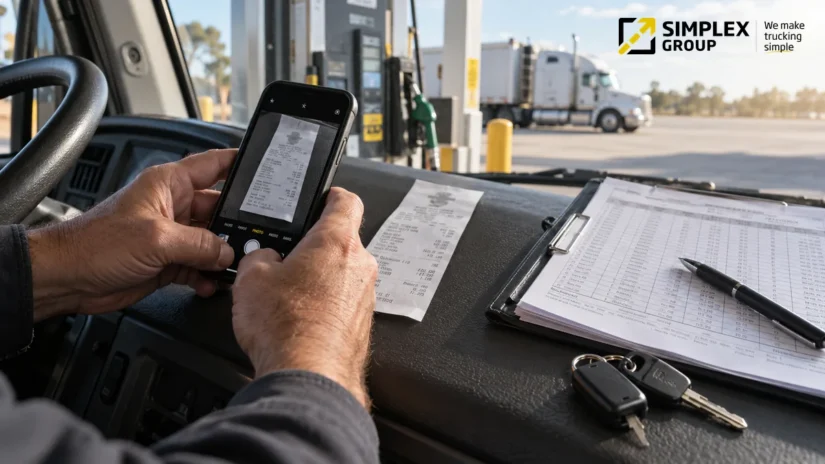
Prepare a quarterly close with a named reviewer
Texas IFTA returns are generally due on the last day of the month after the quarter ends, with the Comptroller’s stated adjustments for weekends and legal holidays. For an active account, confirm the filing requirement even when activity is limited or tax is not due.
Use a close checklist that identifies the preparer, reviewer, filing method, submission confirmation and any payment or credit. Retain the underlying records as required by the applicable IFTA rules. Do not discard the trip support when the return is accepted.
For a Texas licensee, renewal also deserves a status check. The Comptroller explains that eligible Texas based carriers receive current year credentials automatically. Verify eligibility, mailing information and receipt rather than assuming automatic issuance means no action is ever needed.
Keep the application connected to the operation
The strongest application process establishes the account owner, credential tracking and quarterly records together. That creates continuity when vehicles or employees change.
If you need help organizing the process, contact Simplex Group’s taxes and permitting team. Bring the vehicle list, operating jurisdictions and account status so the conversation can address the actual fleet.
FAQs
Is Form 56-101 the Texas IFTA license application?
No. The article distinguishes the application from fuel-tax reporting. AP-178 is identified as the Texas IFTA license application, while Forms 56-101 and 56-102 relate to reporting. Carriers should use the current Texas Comptroller forms and instructions.
Is a fuel card statement enough for IFTA recordkeeping?
Not necessarily. A fuel card statement may provide useful transaction information, but the article recommends comparing the statement and underlying transaction data against the applicable IFTA record requirements before relying on it as complete audit support.
Is IFTA the same as IRP?
No. IFTA concerns fuel-tax reporting, while IRP concerns apportioned vehicle registration. Having one credential does not establish compliance with the other program.