Commercial Box Truck Insurance in Texas: Coverage, Requirements, and Expert Guidance
- Commercial box truck insurance in Texas protects businesses that use box trucks for delivery, moving, freight, retail distribution, contracting, final-mile logistics, and other commercial operations.
- Coverage may include primary liability, physical damage, motor truck cargo, general liability, non-trucking liability, hired/non-owned auto, downtime, towing, and workers’ compensation, depending on the business model.
- Requirements and costs depend on intrastate vs. interstate operation, authority status, cargo type, vehicle size, driver records, contracts, filings, safety practices, and operating radius.
Operating a box truck in Texas can be a strong business opportunity, whether you are delivering freight locally, supporting a moving company, handling final-mile deliveries, or building a small commercial fleet. But before that truck starts generating revenue, one of the most important decisions you need to make is how to insure it correctly.
Commercial box truck insurance in Texas is not just a formality. It helps protect your vehicle, your business, your cargo, your contracts, and your ability to keep operating when the unexpected happens. The right policy can support your operation; the wrong setup can expose you to claims, compliance issues, contract problems, and unnecessary financial risk.
At Simplex Group, we have worked with trucking entrepreneurs for more than 25 years, helping them launch, scale, and stay compliant. In our experience, insurance works best when it is not treated as a last-minute requirement. It should be part of a broader operating strategy that includes compliance, permitting, tax reporting, safety, and long-term business planning.
Below is a practical guide to help Texas box truck operators understand what coverage may be needed, what factors affect insurance requirements, and how to approach the process like a serious commercial carrier.
Every coverage, one broker
Liability, cargo, physical damage and more — quoted and placed under one roof.
Insurance + DOT + permitting
Filings, certificates and FMCSA compliance handled in-house.
Simplex Group at a glance
What Is Commercial Box Truck Insurance in Texas?
Commercial box truck insurance is a type of business insurance designed for companies and operators that use box trucks for commercial purposes. These trucks are often used for local delivery, moving services, retail distribution, appliance delivery, furniture transport, event logistics, construction support, and general freight movement.
Unlike personal auto insurance, commercial box truck insurance is built around business risk. A box truck may carry valuable cargo, travel long routes, operate under contracts, serve customers, and represent the financial backbone of a small trucking business. That creates exposures that a personal auto policy is not designed to handle.
A typical commercial box truck insurance program may include liability coverage, physical damage coverage, motor truck cargo insurance, general liability, non-trucking liability, and other specialized coverages, depending on the type of operation.
For Texas operators, the correct insurance setup depends on several key questions:
- Are you operating intrastate or interstate?
- Are you hauling your own goods or freight for others?
- Do you operate under your own authority?
- What type of cargo do you carry?
- What contracts, brokers, or shippers do you work with?
- How many trucks and drivers are in your operation?
- What safety and compliance systems do you have in place?
Every carrier operates differently. That is why a one-size-fits-all approach is rarely the best way to ensure a commercial box truck.
Why Box Truck Insurance Is Different from Personal Auto Insurance
A personal auto policy is generally designed for private, non-commercial vehicle use. A box truck used for business creates a different level of exposure because it may be tied to revenue, cargo, customers, employees, contracts, and regulatory obligations.
For example, a 26-foot box truck used for commercial deliveries in Dallas, Houston, Austin, San Antonio, or across state lines may need coverage that considers cargo value, operating radius, driver history, liability limits, and whether the truck is used for-hire. If that same truck is used to transport third-party freight, the insurance expectations can change significantly.
In practical terms, commercial box truck insurance is designed to answer questions such as:
- What happens if your truck causes an accident?
- What happens if the truck is damaged in a collision?
- What happens if the cargo is damaged, stolen, or lost?
- What happens if a shipper or broker requires proof of insurance?
- What happens if your operating authority requires a filing?
- What happens if your business cannot operate because the truck is out of service?
These are commercial risks, not personal driving risks. That is why Texas box truck operators should approach insurance as a business protection tool, not just as a legal requirement.
Box Trucks, Straight Trucks, and Common Business Uses
The terms “box truck” and “straight truck” are often used together because many box trucks fall into the straight truck category. These vehicles typically have the cab and cargo area attached to the same chassis, unlike tractor-trailers, where the tractor and trailer are separate units.
Common box truck types include:
- 16-foot box trucks
- 24-foot box trucks
- 26-foot box trucks
- Reefer box trucks
- Moving trucks
- Cargo cutaway trucks
- Sleeper box trucks
- Local delivery trucks
- Final-mile delivery vehicles
In Texas, these trucks are commonly used by:
- Delivery companies
- Moving companies
- Furniture and appliance businesses
- Retail distributors
- Contractors
- Event companies
- Food service businesses
- Expedited freight operators
- Owner-operators
- Small trucking fleets
Each use case can affect the type of coverage needed. A local furniture delivery business may not have the same risk profile as a for-hire carrier hauling freight for multiple brokers. A private carrier transporting its own goods may not need the same insurance filings as an interstate motor carrier operating under its own authority.
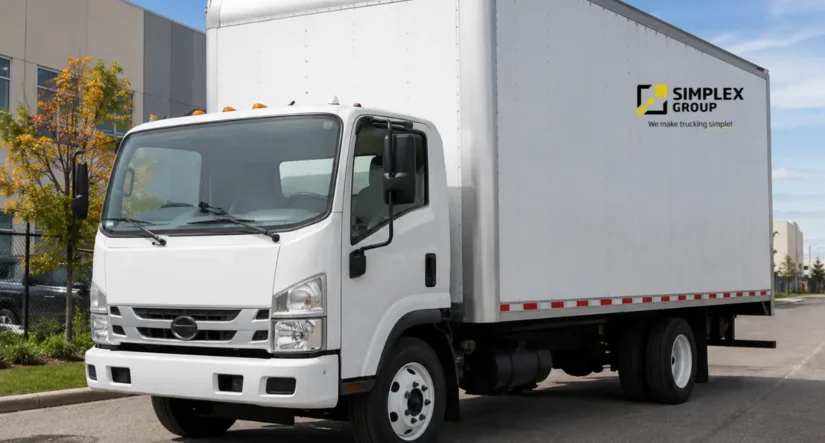
This is where expert guidance becomes important. The insurance should match the operation, not just the truck.
Who Needs Box Truck Insurance in Texas?
Most businesses that use a box truck for commercial purposes should carry commercial box truck insurance. In many cases, it is required by law, contract, lender, lessor, broker, shipper, or operating authority.
The exact coverage needed depends on how the truck is used.
Owner-Operators
Owner-operators using box trucks in Texas often need a customized insurance setup based on whether they operate under their own authority or lease onto another carrier.
An owner-operator with their own authority may need primary liability, cargo insurance, physical damage, and required filings. An owner-operator leased to another carrier may still need certain coverages, such as non-trucking liability or physical damage, depending on the lease agreement.
A common mistake is assuming that one policy automatically covers every situation. In reality, the structure of the business matters. Who owns the truck? Who controls the load? Who is responsible for the cargo? Who requires the certificate of insurance? These details can affect coverage needs.
For-Hire Carriers
A for-hire box truck carrier transports goods for others in exchange for payment. This type of operation often has higher insurance expectations because the carrier is responsible for third-party freight.
For-hire carriers may need:
- Primary liability insurance
- Motor truck cargo insurance
- Physical damage coverage
- General liability
- Required federal or state filings
- Additional insured endorsements when required by contract
- Higher limits requested by brokers or shippers
If the carrier operates interstate, FMCSA requirements may also apply. If the carrier operates only within Texas, state-level requirements and contract obligations may still influence the insurance program.
Private Carriers and Delivery Businesses
A private carrier uses its truck to transport its own goods. Examples include a furniture store delivering purchased items, a contractor transporting tools and materials, or a retailer distributing inventory between locations.
These businesses may still need commercial auto insurance for the box truck, but their cargo and liability needs may differ from those of a for-hire motor carrier.
Private carriers should review:
- Commercial auto liability
- Physical damage
- Cargo or property coverage
- General liability
- Hired and non-owned auto coverage
- Workers’ compensation, if employees are involved
The key question is not simply whether the truck is commercial. The key question is what business risk the truck creates.
Moving Companies, Contractors, and Local Service Businesses
Moving companies, contractors, and local service businesses often rely heavily on box trucks. For these businesses, the truck is not just transportation; it is part of the service being sold.
A moving company may need higher cargo or customer property protection. A contractor may need coverage for tools and equipment. A local delivery company may need insurance that satisfies customer contracts and delivery platform requirements.
In our experience, businesses in this category benefit from reviewing their insurance alongside compliance and safety practices. A policy may address certain claims, but organized driver files, safe operations, proper permits, and clear procedures help reduce risk before a claim ever happens.
What Does Commercial Box Truck Insurance Cover?
Commercial box truck insurance is usually built from several coverage types. Not every operator needs the same package, but understanding the main options helps you make better decisions.
Primary Liability Coverage
Primary liability coverage is one of the most important parts of a commercial truck insurance policy. It helps cover bodily injury or property damage caused to others when your box truck is involved in an at-fault accident.
For many commercial operators, liability coverage is not optional. It may be required by law, operating authority, lenders, contracts, or brokers. The required limits can vary based on the type of operation, cargo, and whether the carrier operates intrastate or interstate.
Primary liability does not typically cover damage to your own truck or cargo. It is mainly designed to protect against claims made by others.
Physical Damage Coverage
Physical damage coverage helps protect your box truck itself. This can include collision coverage and comprehensive coverage.
Collision coverage may help pay for damage to the truck after an accident, regardless of fault, subject to the policy terms and deductible. Comprehensive coverage may help with losses caused by theft, fire, vandalism, weather events, or other covered non-collision incidents.
If you finance or lease your box truck, the lender or leasing company may require physical damage coverage. Even if it is not required, many operators choose it because the truck is often one of the most valuable assets in the business.
A box truck that is out of service can mean lost revenue. Protecting the vehicle is not just about repairing equipment; it is about protecting the continuity of the operation.
Motor Truck Cargo Insurance
Motor truck cargo insurance helps protect the goods being transported. This coverage is especially important for for-hire carriers hauling freight for customers, brokers, or shippers.
Cargo insurance may be required by contracts before a carrier is approved to haul loads. The required limit can depend on the type and value of the freight.
For example, a carrier hauling general retail goods may have different cargo needs than one transporting electronics, refrigerated products, furniture, or high-value freight. Some cargo may be excluded or require special approval, so operators should review policy terms carefully.
One of the most important questions to ask is: does the policy actually match the freight you plan to haul?
General Liability and Additional Coverage Options
General liability can help protect the business from certain claims that may not arise directly from driving. This may include some premises-related or business operations claims, depending on the policy.
Additional coverage options may include:
- Hired and non-owned auto coverage
- Trailer interchange coverage
- Downtime coverage
- Rental reimbursement
- Towing and roadside assistance
- Workers’ compensation
- Occupational accident coverage
- Uninsured and underinsured motorist coverage
Not every box truck operator needs every coverage. However, reviewing these options with a trucking-focused insurance specialist can help identify gaps before they become expensive problems.
Non-Trucking Liability and Specialized Coverages
Non-trucking liability may apply in certain owner-operator situations, especially when a driver is leased to a motor carrier and uses the truck outside of dispatch. This coverage is often misunderstood, so it should be reviewed carefully.
Specialized coverages may also be needed depending on how the truck operates. For example, refrigerated box trucks may need coverage considerations related to spoilage or temperature-controlled cargo. Moving companies may need specific protection for customer property. Operators working with brokers may need limits that satisfy load board or contract requirements.
The main point is simple: box truck insurance should be structured around actual operations, not assumptions.
Texas Box Truck Insurance Requirements
Texas box truck insurance requirements depend on the nature of the business. There is no single answer that applies to every operator because requirements may vary based on vehicle weight, cargo, authority status, operating radius, and whether the carrier crosses state lines.
Intrastate vs. Interstate Operations
An intrastate operation stays within Texas. An interstate operation crosses state lines or participates in freight movement that is part of interstate commerce.
This distinction matters because interstate carriers may be subject to FMCSA requirements, including operating authority and insurance filings. Intrastate operators may still have Texas-specific requirements and commercial insurance obligations.
A Texas box truck business should understand whether it is operating:
- Locally within one city or region
- Across Texas only
- Across state lines
- Under its own authority
- Under another carrier’s authority
- For private business use
- As a for-hire carrier
This classification affects insurance, compliance, filings, permits, and safety responsibilities.
DOT Number, MC Authority, and Insurance Filings
Some box truck operators may need a USDOT number, MC authority, or insurance filings, depending on the operation. For interstate for-hire carriers, filings such as BMC-91 or related proof of financial responsibility may be part of the process.
Insurance filings are not the same thing as simply having a certificate of insurance. A filing is submitted to the appropriate agency to show that the carrier meets required financial responsibility standards.
This is one reason Simplex Group approaches insurance as part of a larger compliance picture. A carrier may have a policy, but if the authority, filings, permits, or compliance setup is incomplete, the business may still face operational problems.
Contract, Broker, and Shipper Insurance Requirements
Even when legal requirements are met, contracts may impose additional insurance obligations. Brokers, shippers, lenders, leasing companies, and customers may require specific limits or coverages before allowing a carrier to operate.
Common contract-driven requirements may include:
- Higher liability limits
- Cargo insurance
- Additional insured status
- Waiver of subrogation
- Specific certificates of insurance
- Notice of cancellation provisions
- Physical damage coverage for financed trucks
Before accepting loads or signing agreements, operators should confirm that their insurance matches the contract requirements. A policy that is technically active may still be insufficient for a specific shipper or broker.
How Much Does Box Truck Insurance Cost in Texas?
The cost of box truck insurance in Texas varies widely. There is no reliable single price because premiums depend on the carrier’s risk profile.
A new authority with one box truck hauling freight for others may receive a very different quote than an established private business with clean drivers, local routes, and a strong safety record.
Factors That Affect Your Premium
Insurance companies may consider:
- Type and size of the box truck
- Vehicle value
- Operating radius
- Intrastate or interstate operations
- Cargo type
- Cargo value
- Driving records
- Claims history
- Years in business
- Authority status
- Coverage limits
- Deductibles
- Location in Texas
- Safety practices
- Number of trucks and drivers
- Business use
- Prior insurance history
A 26-foot box truck used for for-hire freight may be priced differently from a box truck used by a local retail business. Similarly, an operator with strong compliance and safety controls may present a different risk profile than a business with disorganized records or frequent violations.
Why the Cheapest Policy Can Become Expensive
Choosing the cheapest policy is not always the best business decision. A low premium may come with lower limits, exclusions, gaps, poor claims support, or coverage that does not match the operation.
The real cost of poor insurance planning often appears after something goes wrong. A claim denial, uncovered cargo loss, missing filing, or contract rejection can cost far more than the difference between two premium options.
A professional insurance review should focus on value, protection, and operational fit — not only price.
How to Prepare Before Requesting a Quote
To request a more accurate commercial box truck insurance quote in Texas, operators should prepare key information in advance.
Helpful information includes:
- Business name and entity information
- Vehicle year, make, model, and VIN
- Truck value
- Driver information
- Driving records
- Type of cargo
- Operating radius
- States traveled
- Authority status
- DOT or MC number, if applicable
- Prior insurance history
- Desired coverage limits
- Broker or shipper requirements
- Lease or finance requirements
The more accurate the information, the better the insurance recommendation can be. Incomplete details can lead to inaccurate quotes or coverage issues later.
Common Mistakes Texas Box Truck Operators Should Avoid
Box truck operators often focus on getting insured quickly. Speed matters, but accuracy matters more. Rushing the process can create expensive mistakes.
Buying Coverage Before Understanding the Operation
One of the most common mistakes is shopping for insurance before clearly defining the operation.
A specialist will need to know whether the truck is used for local delivery, for-hire freight, private business use, moving services, expedited freight, or another purpose. The insurance should reflect the real exposure.
Buying a generic policy without explaining the actual operation may lead to gaps, exclusions, or problems at claim time.
Ignoring Cargo, Radius, and Authority Status
Cargo type, operating radius, and authority status can significantly affect coverage needs.
For example:
- Hauling household goods may create different risks than hauling packaged retail freight.
- Operating within 50 miles may differ from running statewide or interstate.
- A carrier with its own authority may need filings and higher liability limits.
- A leased owner-operator may need different coverage from an independent carrier.
These details should be reviewed before binding coverage.
Treating Insurance Separately from Compliance and Safety
Insurance is only one part of keeping a trucking operation protected. Compliance, safety, permits, driver qualification files, CSA monitoring, hours-of-service management, and audit readiness all play a role in keeping the business on the road.
At Simplex Group, we understand that every carrier operates differently. That is why our support extends beyond insurance alone. Our broader services help trucking businesses manage compliance, permitting, tax reporting, freight planning, factoring, and safety responsibilities.
A well-insured operation is stronger when it is also organized, compliant, and prepared.
How Simplex Group Supports Texas Box Truck Operators
Simplex Group supports trucking entrepreneurs who want to build and grow serious operations. For more than 25 years, we have helped carriers nationwide launch, scale, and stay compliant.
For Texas box truck operators, this matters because insurance is often connected to several other operational needs.
Insurance Support Through Simplex Insurance
Simplex Insurance helps carriers review coverage options for unexpected circumstances they may face on the road. This may include commercial auto liability, physical damage, cargo coverage, general liability, and other insurance solutions based on the operation.
The goal is not simply to place a policy. The goal is to help operators understand what protection may be appropriate for the way they actually run their business.
Compliance, Permitting, and Tax Reporting Support
Simplex Group also assists with compliance, permitting, and tax reporting. These areas are especially important for carriers that are launching, expanding, or managing authority requirements.
Insurance and compliance often overlap. A carrier may need proof of insurance for filings, contracts, audits, or authority activation. Managing these items together can help reduce confusion and delays.
Freight Planning and Factoring Through Freight4U
Freight4U, a division of Simplex Group, assists customers with freight planning and factoring services. This can be especially valuable for trucking entrepreneurs who need to manage cash flow while building a reliable operation.
For many box truck businesses, success depends not only on having a truck and insurance but also on finding freight, managing expenses, and maintaining steady working capital.
Compliance Suite: Simplex Hub, Essentials, and Managed Support
Simplex Group’s Compliance Suite offers different levels of support depending on the carrier’s needs.
Operators may choose:
- Simplex Hub for a self-service approach.
- Essentials Program for on-demand support.
- Managed Program for full-scale management with a Dedicated Account Manager.
These programs can support areas such as FMCSA compliance, driver qualification file management, CSA monitoring, mock audits, HOS management, and safety performance.
For a Texas box truck operator, this type of support can help create a more stable, organized, and professional operation.
How to Get Commercial Box Truck Insurance in Texas
Getting commercial box truck insurance in Texas should be a structured process. The more clearly you understand your operation, the easier it is to identify the right coverage.
Information You Should Have Ready
Before requesting coverage, gather:
- Business details
- Vehicle details
- Driver information
- Cargo type
- Operating radius
- Authority status
- DOT or MC information
- Contract requirements
- Prior insurance history
- Safety and compliance information
This helps the insurance specialist evaluate your operation properly.
Reviewing Coverage, Compliance, and Safety Together
A strong approach is to review insurance, compliance, and safety together. This helps identify whether your policy aligns with your authority, filings, permits, contracts, and day-to-day operations.
For example, if you plan to operate under your own authority, your insurance needs may connect directly to filings and FMCSA compliance. If you are hauling for brokers, your policy may need to satisfy their cargo and liability requirements. If you are hiring drivers, driver qualification files and safety controls become more important.
In our experience, the carriers that plan these details early are better positioned to avoid delays, reduce risk, and operate with confidence.
Working with a Trucking-Focused Partner
A trucking-focused partner understands that a box truck is not just a vehicle. It is part of a business model.
The right partner should help you think through:
- What coverage may your operation require.
- What limits may be appropriate.
- Whether filings are needed.
- Whether cargo coverage matches the freight.
- Whether compliance and safety systems are in place.
- Whether the insurance supports your growth plans.
That is the role Simplex Group aims to play: helping ambitious trucking entrepreneurs protect their business, stay compliant, and focus on the road ahead.
Not just a quote form that disappears
You get a real broker who knows trucking and handles the whole lifecycle — quote, bind, filings, renewals.
25+ years, 10,000+ trucking companies
A book built over decades — carriers pick up when we call, and you get real market options, not one quote.
One broker for everything
Insurance, DOT compliance, and permitting under one roof — not four vendors and a spreadsheet.
Real agents, fast quotes
Give us the basics once; a licensed agent comes back with real numbers — not a call-center loop.
Annual reviews, always
Your business changes and grows — we recommend a yearly policy review so you're never paying for coverage that no longer fits your operation.
Frequently asked questions
<strong>Is commercial box truck insurance required in Texas?</strong>+
Most businesses using a box truck for commercial purposes need commercial auto or commercial truck insurance. The exact requirements depend on the vehicle, business use, cargo, operating radius, authority status, and whether the operation is intrastate or interstate.
<strong>What insurance do I need for a box truck business in Texas?</strong>+
Many box truck businesses should review primary liability, physical damage, motor truck cargo, general liability, and any additional coverage required by contracts, brokers, lenders, or operating authority. The right setup depends on how the truck is used.
<strong>Do I need cargo insurance for my box truck?</strong>+
Cargo insurance is often important if you transport goods for customers, brokers, or shippers. Some contracts may require cargo coverage before you are allowed to haul freight. The proper limit depends on the type and value of the cargo.
Other services
Simplex Group is a full-service trucking partner — insurance is one piece of a much larger toolkit.