
FMCSA Motus Registration System: What Carriers Need to Know in 2026
The FMCSA Motus Registration System is the federal government’s new unified platform for USDOT registration, operating authority management, and carrier identity verification. It replaces older, fragmented portals such as the Unified Registration System (URS) and the MCMIS database, consolidating everything into a single, mobile-friendly dashboard. If you operate under a USDOT number or MC number, […]
Read More
Box Truck Insurance for Owner-Operators: What Coverage Do You Actually Need?
Running a box truck operation as an owner-operator means you are the fleet, the safety manager, and the risk carrier all at once. When something goes wrong, a collision on the interstate, a stolen truck in a client’s parking lot, cargo damaged in transit, your insurance is the only thing standing between that event and […]
Read More
Speeding in a Commercial Vehicle
The fine on a speeding ticket is the smallest number a commercial driver or fleet owner should be thinking about. For a CDL holder, a single speeding citation carries consequences that follow the driver’s record for up to three years, raise the carrier’s CSA score, push insurance premiums higher, and in serious cases, put a […]
Read More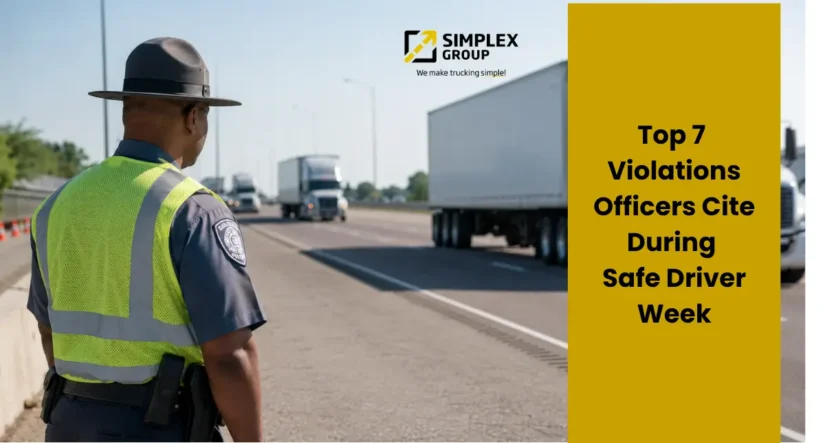
Top 7 Driving Violations Officers Prioritize During Safe Driver Week
Operation Safe Driver Week runs July 12 through 18, 2026, and law enforcement officers across North America will be out specifically looking for unsafe driving behavior in both commercial and passenger vehicles. For trucking fleets, this is not a week to wing it. CVSA has confirmed that the 2026 focus area is reckless, careless, or […]
Read More
How Unsafe Driving Violations Destroy Your CSA Score and What to Do About It
Every roadside inspection your drivers go through feeds directly into your company’s safety record. When violations stack up, they do not stay on paper; they raise your CSA scores, trigger FMCSA scrutiny, push your insurance premiums higher, and can cost you the freight contracts that keep your operation running. Understanding which unsafe driving violations carry […]
Read More
Operation Safe Driver Week 2026: What Every Truck Driver Needs to Know
Operation Safe Driver Week 2026 runs from July 12 to 18, across the United States, Canada, and Mexico. Organized by the Commercial Vehicle Safety Alliance (CVSA) in partnership with the FMCSA, this seven-day enforcement and education campaign targets unsafe driving behaviors by both commercial motor vehicle (CMV) drivers and passenger vehicle drivers. Law enforcement officers […]
Read More
Semi Truck Insurance in Florida
Running a semi truck operation in Florida takes more than getting behind the wheel and finding the next load. Between insurance requirements, FMCSA compliance, permits, safety records, filings, and the day-to-day pressure of keeping trucks moving, every decision affects your ability to stay on the road. That is why semi truck insurance in Florida should […]
Read More
18 Wheeler Insurance in Texas
Operating an 18-wheeler in Texas requires more than purchasing a basic insurance policy. Your coverage must protect the truck, the cargo, the driver, the business, and—just as important—your operating authority. For motor carriers, owner-operators, and growing fleets, insurance and DOT compliance work together. At Simplex Group, we understand that every carrier operates differently. Some trucking […]
Read More
UCR Renewal vs Other Trucking Compliance Requirements
For trucking businesses, compliance is not a single filing, a single renewal, or a one-time registration. It is a system of federal, state, tax, safety, insurance, and operational requirements that must work together to keep a carrier legally active and prepared for audits, roadside inspections, insurance reviews, and business growth. One of the most common […]
Read More
UCR Renewal 2027: Deadline, Fees and Filing Steps
UCR renewal is one of those compliance tasks that seems small until it starts causing problems. If your trucking business, brokerage, freight forwarding operation, or leasing company is subject to Unified Carrier Registration, you are expected to renew it annually and pay the required fee before the registration year begins. The official UCR Plan states […]
Read More- Latest Posts
- 1
- 2
- 3
- 4
- 5
- 6
- 7
- 8
- …
- 21
- Older Posts